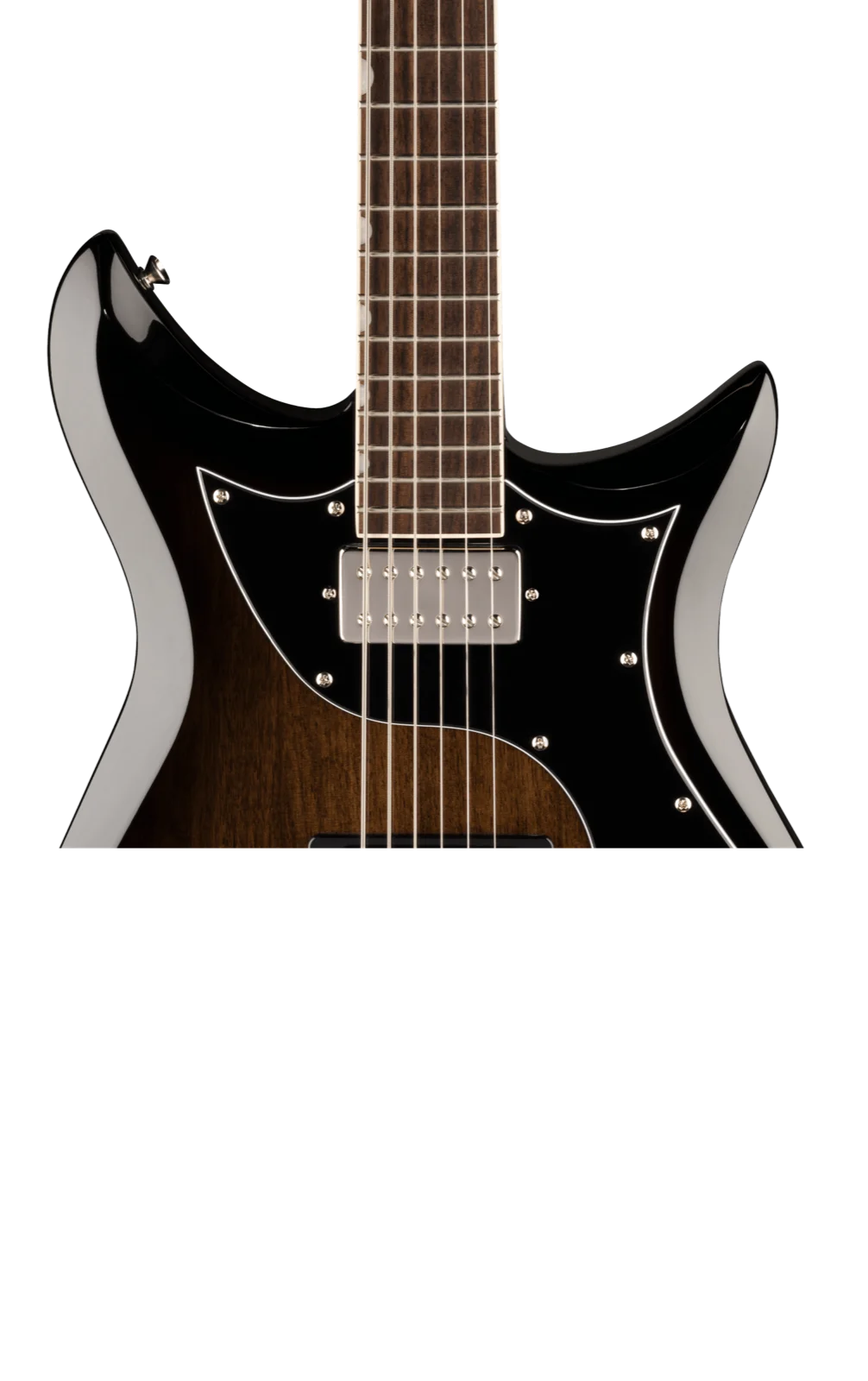
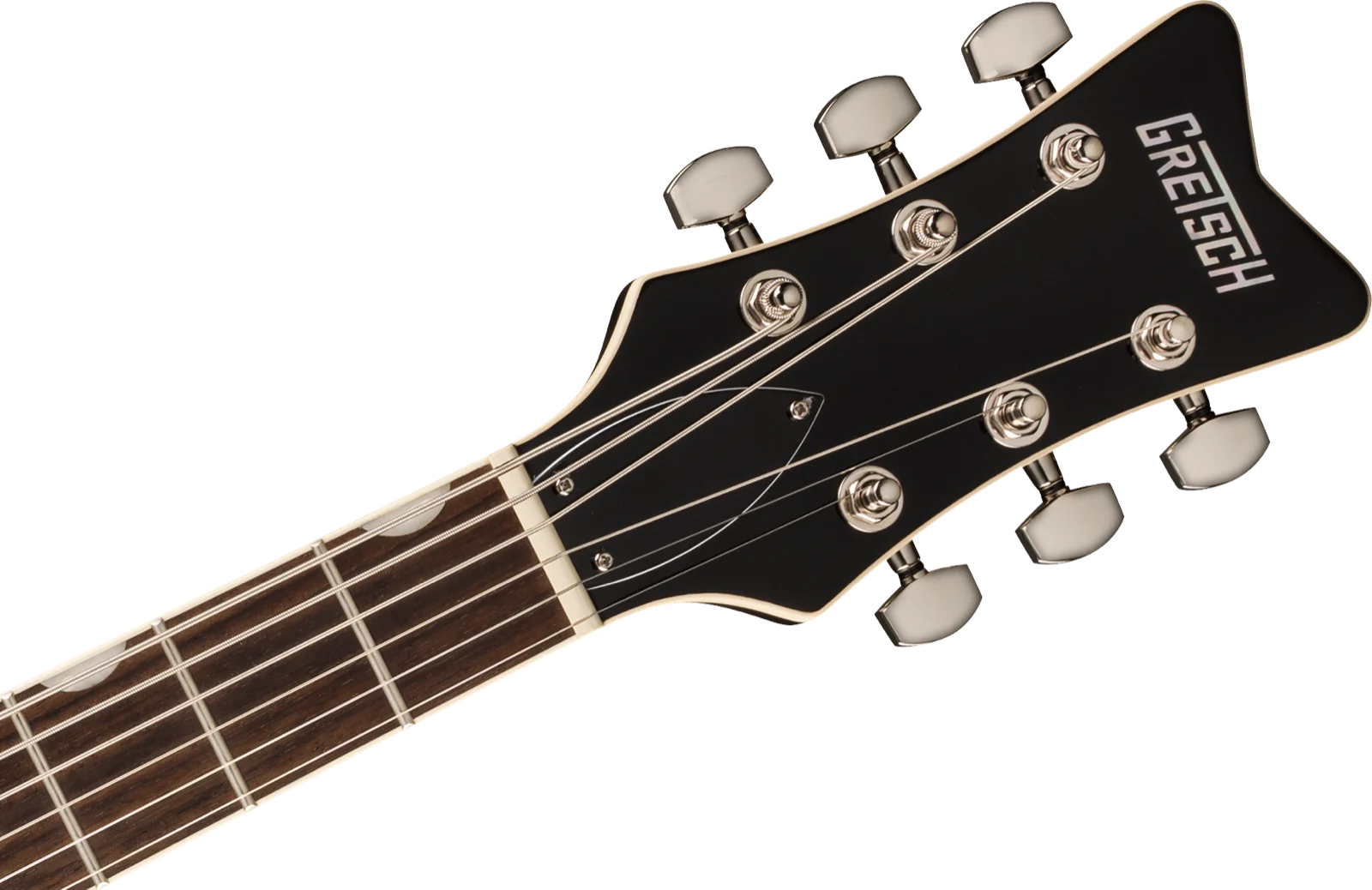
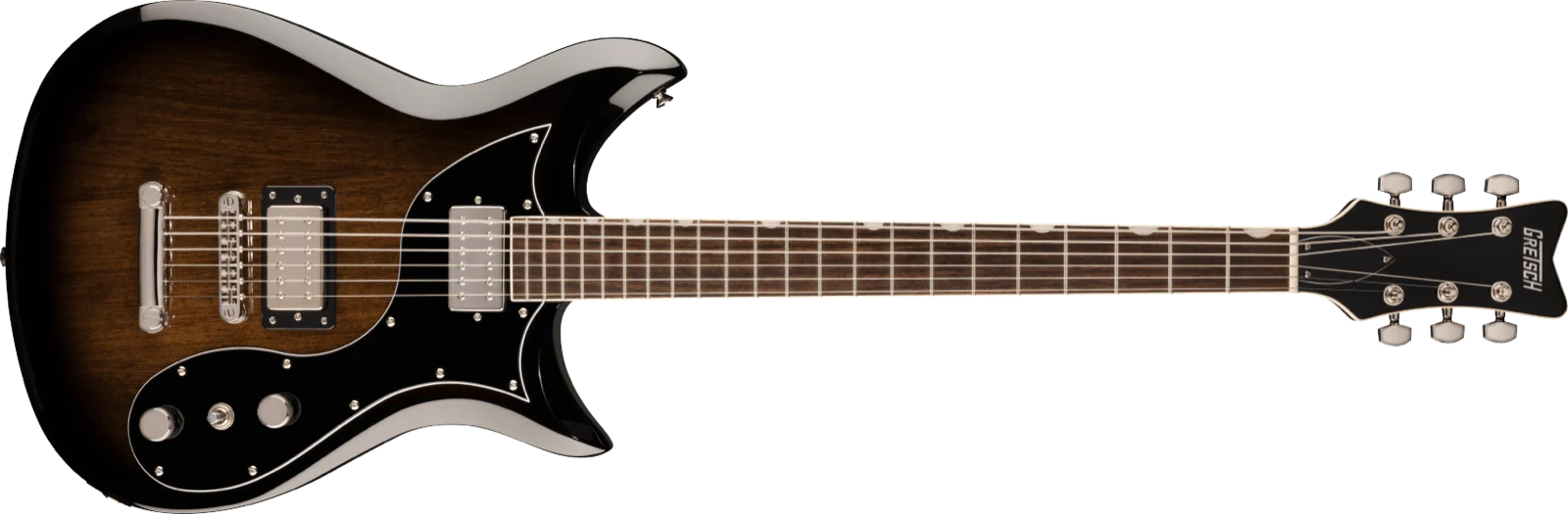
The Internet Has Thoughts About Guitar World's Gretsch CVT Baritone Review.
Guitar World gave the baritone four and a half stars and a cons box about finish options. Two rival mastheads gave it the same score and both flagged the clean tones. No owner has weighed in yet, so the press is arguing with itself.
Two sides. One page.
Johnny argues the piece. Then he argues against himself. Somebody has to check his work. Read both, then call the winner below.
The take is shown below.
Source
“An inspiring, easy-playing entrée into the world of baritone guitar.”
What the other mastheads said
MusicRadar · 4.5/5 · Jun 26, 2026
“Gretsch has managed to check both boxes at once by delivering a quality example of the baritone configuration”
Guitar.com · 10/10 · Jul 31, 2026
“A guitar like this for this price is a remarkable feat.”
The Suede Read
Guitar World reviewed the Gretsch Electromatic CVT Baritone on the last day of August, gave it four and a half stars, and put the price in the headline: for under six hundred dollars it does something quite special, it opens up a new sound-world. The pros box calls it an inspiring, easy-playing entrée into the world of baritone guitar, says it will open up your ears to new directions in writing, and adds that it is a nicely put together instrument at a good price. The cons box has one line. Some more finish options and a gigbag would be nice but it's not a dealbreaker.
Read that cons box again. It contains no sound. Nothing about the pickups, the cleans, the scale length, the neck, the way a twenty-seven-inch Gretsch behaves when you tune it to B. The only thing Guitar World could find to hold against the guitar is the number of colours it comes in and the absence of a bag.
This is the third masthead to review the same guitar, and the other two are on the record. MusicRadar got there first, at the end of June, with the same four and a half stars. Its pros box says affordable, great for rock and higher-gain styles, coil splits add extra value. Its cons box says two things: clean tones are a little dull, and it is only available in one finish. Guitar.com followed at the end of July with a ten out of ten, called the price a remarkable feat, and still printed two cons: clean sounds are a little prosaic, and more finish options would have been good.
So the finish complaint is unanimous. Three magazines, three cons boxes, and all three wish Gretsch had painted it another colour. That is not a finding about the instrument. It is a finding about the catalogue, and it is the safest sentence a reviewer can print because nobody who buys the guitar will ever write in to say the finish options were fine.
The clean-tone complaint is where the record splits. Two of three mastheads sat down with the same Twin Six humbuckers, rolled the gain off, and reached for nearly the same word. Dull. Prosaic. A baritone that is great for rock and higher-gain styles and a little flat when it is clean is a specific, checkable, useful description of a guitar, and it appears in the June review and the July review and does not appear in the August one.
I do not know why. Guitar World's review is not shy about the guitar's range; it says the instrument will open your ears to new directions in writing, which is a claim about what it can do across the board, cleans included. Maybe the reviewer did not hear it. Maybe the reviewer heard it and did not think it rose to the cons box. Maybe the review copy was a better example. Reviews do not footnote each other, so the reader arriving from a search in September gets the third opinion, the one with no sonic complaint at all, and never learns that two earlier ones disagreed with it on the only point that matters when you plug in.
Now the part this column is supposed to run on. There are no owner receipts. I looked. The Thomann listing for the CVT Baritone carries zero customer reviews. The one thread on Gretsch-Talk that mentions the model is a member saying he kinda likes the look of it, which is a wish, not a report. Nobody who has paid for this guitar and gigged it has written anything public that I can link, and I am not going to substitute a Jet Baritone owner or a standard CVT owner and pretend the scale length does not matter.
That leaves the press checking the press, and the press, for once, has done some of the work. Two mastheads printed a sonic con that the third omitted. One printed a ten out of ten and a con box in the same breath, which at least shows the two are not connected. And all three scores land within half a star of each other, on a guitar that costs less than a good pedalboard, which is either the most consistent instrument of the year or the most consistent review cycle.
The honest verdict is a hold. Not because Guitar World is wrong about the sound-world, and not because MusicRadar and Guitar.com are right about the cleans, but because the only people who can settle it have not spoken yet. When the first owner writes up ninety days with the Twin Six pickups and a clean amp, this post gets a second half.
Split. Three mastheads agree on the score and the finish. Two of them printed a con about the sound. The one with the newest byline printed none, and the reader who finds it first will never know there was an argument.
Spotted something the press fluffed? info@suedeai.ai
The counter, argued by Johnny Suede
Two cons boxes said the cleans were dull and the post calls that a split. A baritone bought for downtuned riffs being merely fine when clean is not a con, it is the brief.
The post finds its argument in a word two reviewers used and a third did not, and treats the omission as the story. But read what the two earlier reviews actually scored. MusicRadar printed dull cleans and gave four and a half stars. Guitar.com printed prosaic cleans and gave a ten out of ten. Both mastheads heard the thing the post is worried about and both decided it did not cost the guitar anything, because a twenty-seven-inch Gretsch with Twin Six humbuckers is bought for the other sound. Guitar World leaving it out of the cons box is not a disagreement. It is the same judgment made one step earlier.
The finish complaint gets mocked as the safest sentence in the business, and then the post uses it as its own evidence of unanimity. Pick one. Either a repeated con is a lazy con or it is a real one, and in this case three separate reviewers who had the guitar in hand each independently thought a buyer would want to know it comes one way. That is exactly the kind of small, boring, verifiable claim this column is supposed to reward.
The hold verdict is the honest part and the post buries it. No owner has spoken, the post says, so the press is checking the press, and then it grades the press anyway. If the receipts are not in, the read should be short: three reviews, consistent scores, two sonic notes, come back in ninety days. Instead it is a thousand words about a word.
The guitar is under six hundred dollars, three magazines that do not share an editor landed within half a star of each other, and the only knock any of them printed about the sound is that the clean channel of a metal-scale guitar is unremarkable. When the owners do show up, my bet is they say the same thing and then tell you what they tuned it to.