The Internet Has Thoughts About Two Magazines Grading the Same AI Amp.
MusicRadar filed the AI under cons and scored it 3.5. Three days later Guitar.com filed the same feature under pros and scored it 8/10.
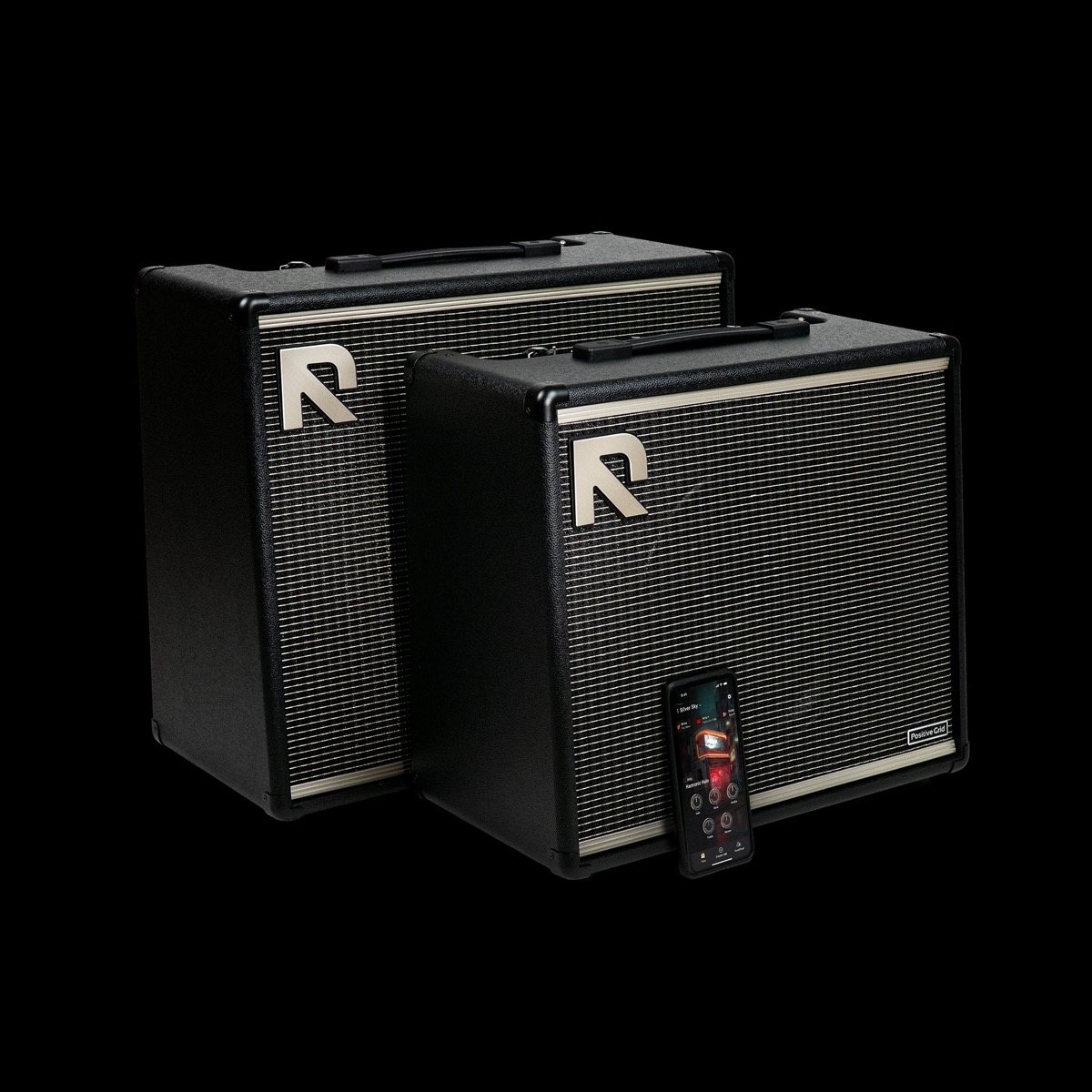
Two sides. One page.
Johnny argues the piece. Then he argues against himself. Somebody has to check his work. Read both, then call the winner below.
The take is shown below.
Source
“The app is where things get both wild and a little weird”
What the other mastheads said
Guitar.com · 8/10 · Jun 5, 2026
“AI features are fun and can open up new creative possibilities”
The Suede Read
Positive Grid built an amp around an AI assistant and two magazines reviewed it three days apart. They agree the hardware sounds good. They disagree about whether the feature the amp is named for is worth having.
MusicRadar went first, on 2 June, at 3.5 out of 5. Daryl Robertson's headline is the verdict in miniature: the app is where things get both wild and a little weird. His cons box runs four deep, which is unusually long for a positive review, and three of the four are about software rather than sound. The app is not the most intuitive. The software does not always nail the tones you are asking for. The AI art inside the app is called an eyesore. Only the fourth entry, a footswitch sold separately, concerns the object itself.
Now look at the other box. Robertson's pros also run to four, praising the sound, the range of amp models and effects, the build and the weight. Not one of them mentions the app, the assistant or the AI. On a product whose full name is the Positive Grid Reactor 50 Intelligent Guitar Combo Amp, the intelligence appears in the cons column three times and in the pros column not at all.
The body is warmer than the boxes, and specific about where the warmth begins. Once you wrangle your way through the app menus and AI hijinks, Robertson writes, the Reactor actually sounds fantastic. That is real praise sitting behind a toll gate. His verdict puts the whole thing plainly: a killer-sounding, road-tough amp currently hampered by a clunky AI app, brilliant in flashes but not quite the revolution it wants to be. Fix the interface and the Reactor could be a winner. For now, a rare work-in-progress.
Guitar.com published on 5 June at 8 out of 10, a materially higher mark. Josh Gardner names the same defect, and what he does with the two boxes deserves reading closely. His final pro is that the AI features are fun and can open up new creative possibilities, and it trails off in an ellipsis. His first con picks the sentence back up: but those AI features can be inconsistent and feel gimmicky at times.
One thought, deliberately split down the middle so a reader who checks only one box still gets half of it. That is more careful editing than either list suggests on its own. It is also, still, a pros entry that MusicRadar did not write in any form. Gardner adds two reservations Robertson never raised: the mere presence of AI in an amp will put off some users, and there is no spring reverb.
His body then goes considerably harder than his cons box does. Most of the time the assistant does a pretty good job of crafting tones for you, Gardner writes, and sometimes it makes you pray for the asteroid to hit the earth. Gimmicky at times is not that sentence. The harshest line about the headline feature in either review never reached the summary anybody skims, and it is in the review that scored higher.
Same software. Same fortnight. One outlet keeps it out of the pros entirely, the other gives it a line in both columns.
Precision matters here, so: nobody misreported a spec. Both reviewers found the assistant inconsistent and both printed it. What separates them is placement, and placement is not decoration. The pros box is where a magazine tells you why to buy. The cons box is where it tells you why not. The Reactor's defining feature turns up in one outlet's buy column and is missing from the other's altogether.
Look at what that leaves on the table for someone about to spend the money. The Reactor 50 exists because of the AI. It is the reason the thing is called an intelligent guitar combo and the reason it is not simply another modelling amp. A shopper reading Guitar.com learns the headline feature is, on balance, a creative bonus with a caveat attached. A shopper reading MusicRadar learns it is the weakest part of the product and never sees it credited once. Those two people are about to buy the same amp for different reasons.
On the raw facts the two reviews agree completely. Both print the same launch price, $349, and both describe the same hardware, a 50-watt combo with a custom 12-inch speaker. Nothing about the amp itself splits them. The split is entirely in what each writer decided the AI layer is worth, which is exactly why a shopper reading only one of them ends up with half a verdict.
There is no owner record to settle any of it. We could not find customer reviews on any reachable retailer or forum for the Reactor 50, which is a mid-2026 release, so there is nobody on the other side of the counter to ask whether the assistant earns its billing after a month.
Split. Both reviews are honest, both name the flaw, and neither inflates the amp. What no reader can get from either is a straight answer about whether the feature the product is built around is a reason to buy it or a reason to look elsewhere.
Spotted something the press fluffed? info@suedeai.ai
The counter, argued by Johnny Suede
Two reviewers weighed a genuinely novel feature differently and both showed their working. That is not a failure of the press, it is the press functioning.
The column keeps looking for contradictions and keeps finding disagreements, which are not the same animal. Nobody misreported a fact here. Both reviews say the AI is inconsistent; both say the amp sounds good; both name the trade in plain language. What differs is the weighting, and weighting is the part of a review that cannot be outsourced. It is a judgement about who the thing is for, made by a named writer who has to sign it.
That the weightings diverge on this particular feature is the least surprising outcome available. An AI assistant bolted to a practice amp is new, nobody has a settled convention for scoring it, and a reasonable critic can look at a half-working novelty and call it either a hurdle or a bonus depending on whether they think a beginner will enjoy poking at it. Guitar.com's own headline asks whether the amp needs an AI chatbot at all. That is not a masthead hiding its reservations.
And a three-and-a-half against an eight is a narrower gap than the post's framing implies: seventy per cent against eighty, on a product both outlets recommend with caveats. The column has taken a ten-point spread between two honest write-ups and filed it beside entries where a magazine printed a joke in a cons box. If split means anything, it should not mean two critics disagreeing in public about a brand-new category, with their reasoning laid out for anyone to check.