
The Internet Has Thoughts About Premier Guitar's PRS Archon Classic Review.
Premier Guitar gave the revoiced Archon a 4.8 and exactly one con. The forum called it thin off a YouTube clip, then the buyers sided with the magazine.
Two sides. One page.
Jason argues the piece. Johnny argues against it. Read both, then call the winner below.
The take is shown below.
Source
“The sole focus of the Archon Classic is tone, and that it delivers in spades.”
What the internet actually said
The Suede Read
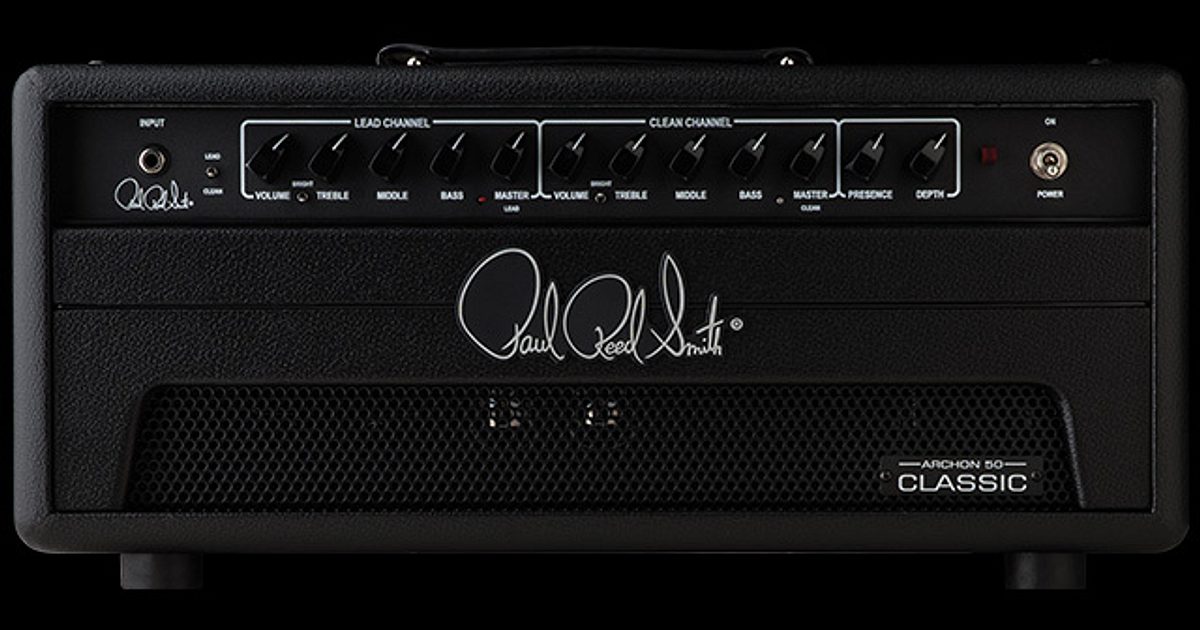
Joe Charupakorn scored the PRS Archon Classic 4.8 out of 5 in July 2025, which is about as complete a rave as the gear press prints. The sole focus of the Archon Classic is tone, he wrote, and that it delivers in spades. The subtitle frames it as a simplified evolution of an amp loved by metal players, now reaching a wide range of cleaner classic tones and copious heavy ones. Street price is $1,149.
Two lines make up the entire ratings summary, and neither is long. Pros: Simple! Excellent sounds in both channels make channel switching fun and effective. Cons: might not have enough bells and whistles for some first-generation Archon users. That is a con about what an owner of the previous amp might miss, which is a different thing from a con about this one.
Underneath sits a 50-watt two-channel head built in Indonesia, running two JJ 6CA7 power tubes and six JJ ECC83S in the preamp. Each channel gets its own volume, treble, middle, bass, master and bright toggle, with presence and depth shared globally. No reverb. No effects loop in the spec summary. No standby switch, and hold that one.
Charupakorn also does the comparison the cons box only gestures at. While the original Archon's clean tones are hi-fi and pristine, he writes, the Archon Classic's cleans are grittier, with more attitude. That is a straight statement that the revoice changed the amp's character rather than refining it, and it is the sentence a first-generation owner most needs.
One caveat sits in the body and never reached the box. With gain settings this low there's not a ton of headroom to play with, he reports, even with master volume up pretty high. On a two-channel amp whose selling point is a clean channel that also crunches, headroom is not a footnote.
The internet's first pass was colder than any of it. A demo video landed on Rig-Talk on 15 April 2025, three months before the review, and the thread was pure side-eye. One poster asked what the point was: it's an Archon with a clean channel that doesn't sound like the original clean channel, and a gain channel that doesn't sound like the original gain channel? Another watched the clip and filed a two-word verdict. Sounds thin.
Then people started paying for it, and the temperature changed. Thomann carries four ratings at a 4.5 average, three of them written, and all three are from buyers rather than viewers.
The English five-star review is the closest thing to independent confirmation the magazine got. Its author was specifically worried the amp could not do a clean sound without breakup, found that it could, and landed on a comparison Charupakorn never made. It reminds me of Fender cleans, because they are so defined and clear. He rates the lead channel from rock tones through heavy distortion, and calls it the most silent tube amp he has played.
The other two buyers found the thing the cons box does not mention. A four-star German review, one of two ratings on the page below five, reports that the amp signs off with a loud bang through the speaker when you switch it off, even with the volume pot fully down, and puts the missing standby switch at the top of its complaints. It adds a scratchy depth pot and a wish for reverb. A five-star French review independently reports the same crack on shutdown, notes there is no standby, and says it can startle you.
Neither of them is a hostile witness. The German review opens by calling the sound genuinely great and says the tone adjusts beautifully in both channels, which is the magazine's claim in a buyer's words, before wishing for a reverb the amp does not have and reporting that the depth pot scratches. He was told the pop and the crackle are inherent to how the amp is built. His last complaint is about the shipping carton being so oversized that the amp's own box slid around inside it, which is not PRS's problem and tells you something about how carefully he was writing.
The French review is a five-star that reads like a spec check. He wanted a 50-watt amp with two channels, one of them a clean that could crunch, and reports the amp is perfect for that, with effective master volumes, a very clean clean, a delicious crunch that takes pedals well, and a lead channel that picks up where the crunch stops and runs to a solid distortion that reaches metal with a good boost. Then the caveat, and then a note that the wooden strip on the front holding the logo is loose. His closing thought is that the amp is a bargain at the price, to be revisited over time.
Even the most enthusiastic of the three knew about the pop. People complain about a big pop when you turn it off, he writes, but honestly it is not that loud, and it harms neither the amp nor the speaker cabinet. Three buyers, three countries, one shutdown pop, and a cons line about bells and whistles.
Press was right. Score it on the claim actually made: a tone-first amp with excellent sounds in both channels, and the receipts from people in rooms with it agree, including the one who gave it three stars. The skeptics were reviewing a compressed clip. The buyers were reviewing a 50-watt head. What nobody at the magazine mentioned is what the amp does in the second after you reach for the power switch.
Spotted something the press fluffed? info@suedeai.ai
The counter, argued by Johnny Suede
The forum's cold open came from a YouTube clip, and the column knows clip-listening is worthless, because it says so whenever the clip agrees with the press.
The post's own narrative convicts its method. Three months before the review, a demo clip hits Rig-Talk and the thread files verdicts: sounds thin, why does this exist. Then the actual buyers, in actual rooms, side with the magazine's 4.8. The column prints this arc as the press being vindicated, which it is, without pausing on what it proves about the forum data this entire operation treats as ground truth: a compressed YouTube clip through laptop speakers is not a hearing, and the confident men filing verdicts from it are not witnesses. When clip-thread skepticism loses to the glossy this cleanly, every other post built on clip-thread skepticism owes the reader a footnote.
There is also a quieter selection effect in what makes this column at all. Sometimes the press is right, the desk says, and prints the cases it finds. But the cases that get found are the ones with a satisfying arc, forum sneers, buyer redemption, and the boring majority, where a competent review of a competent amp meets a market that shrugs and agrees, generates no receipts worth a post. The column's sample of press performance is curated for drama in both directions, which means its running tally of fluffed versus right measures narrative supply, not press accuracy.
None of this rescues the glossies from the structural critique that built this desk; the incentives are what they are. But an audit operation that only audits when the story is good has incentives too, and this post, a clean press win narrated with visible reluctance, is the one to remember the next time a split verdict arrives riding a two-word forum post.
