The Internet Has Thoughts About MusicRadar's Dunlop Cry Baby BB535 Reissue Review.
MusicRadar gave the reissue four and a half stars without saying which Cry Baby came back. Rig-Talk recognised it on sight: the 1999 wah they bought for $125, returning at $229.
Two sides. One page.
Johnny argues the piece. Then he argues against himself. Somebody has to check his work. Read both, then call the winner below.
The take is shown below.
Source
“If you're after a pedal that delivers classic Cry Baby attitude with plenty of versatility, this is the one.”
What the internet actually said
The Suede Read
MusicRadar gave the Dunlop Cry Baby BB535 reissue four and a half stars out of five, and a headline with no shortlist in it: if you're after a pedal that delivers classic Cry Baby attitude with plenty of versatility, this is the one. Not one of the good ones. The one. Launch price is $229, or £234, or €269.
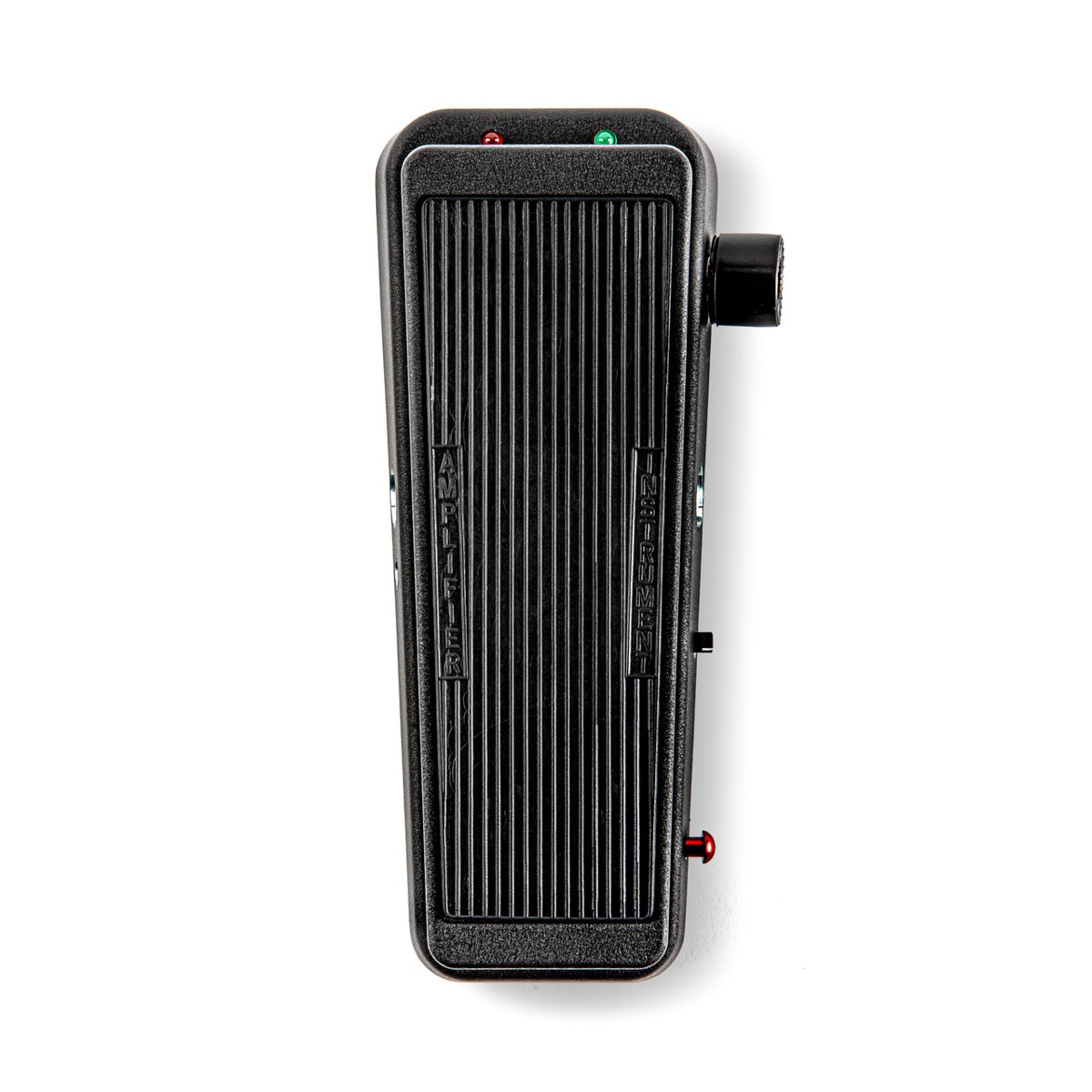
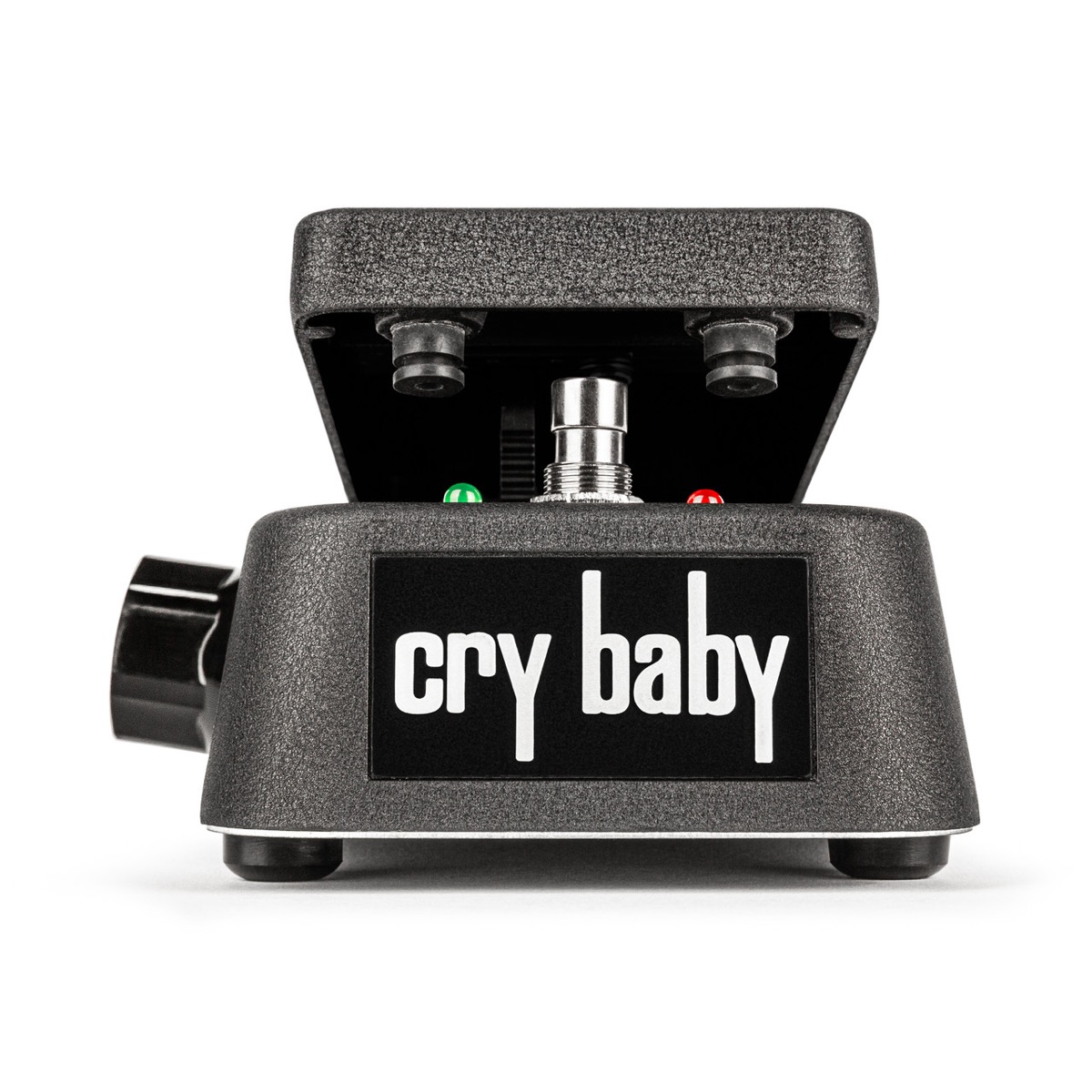
Daryl Robertson earns a lot of that with history rather than a spec dump. Dunlop launched the BB535 in 1994, aimed at the guitarists who had dragged the Cry Baby into the grunge era, and the review calls it what could be considered the first commercially available modded wah: a frequency selector, a built-in boost of up to 12dB, and a custom inductor tuned for a more throaty tone, in one enclosure. The original carried four voice modes. By 1999 it had six. It is the 1999 version Dunlop has relaunched in 2026, and telling a reader which of two versions is in the box is exactly the detail launch coverage usually skips.
Three pros, all short, and the load-bearing one is the inductor. The body is more careful than the box. The reissue features the proper inductor supplied by the original manufacturer, Robertson writes, meaning it should sound like a vintage example. Should. That is the review hedging its single most checkable claim, and it is the correct hedge, because nobody at a magazine has a 1999 unit sitting next to the review sample to A/B it against.
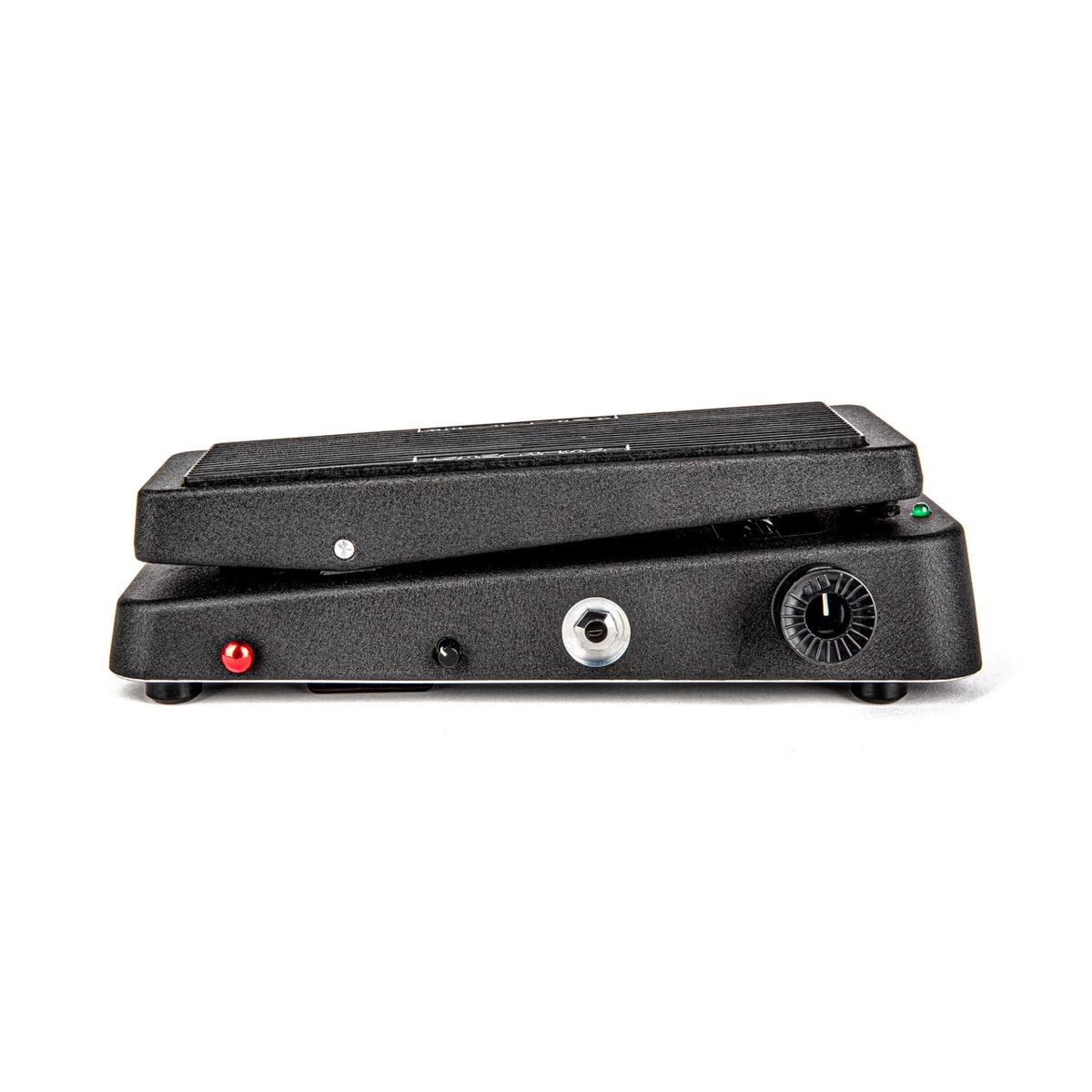
Two cons, and both are about looking at the pedal rather than hearing it. The indicator lights are hard to see past your foot. The pedal takes up a fair amount of pedalboard real estate, which at 4.12 lbs is fair comment. The verdict then reads like a rave with a shoe in it: the BB535 nails that iconic '90s wah attitude with a killer range of tones that will make anyone understand the wah boom of the 90s, but the indicator LEDs, while certainly practical, feel awkwardly placed, especially if you have large feet.
So the recorded weakness of this pedal is where you look.
A third reservation sits in the body and reaches neither list. Robertson writes that he does wish there were small numbers or markings around the dial so you could see your setting at a glance. Six voices, and no printed indication of which one you are in. That belongs beside the LED complaint instead of three paragraphs above it.
Then comes the line that quietly reframes the headline. Pointing readers who want something smaller at the compact Cry Baby Mini 535Q, Robertson says that one is, for him, the king of the wah pedals, and has been on his personal board for about five years. The Also Try section leads with the same pedal. A review that calls the BB535 the one also records, in its own voice, that the writer's own board carries a different, smaller, cheaper wah, and has done for half a decade.
The Also Try box then names three alternatives, and the first of them is the Mini 535Q for a second time. So the pedal MusicRadar calls the one shares its page with the pedal MusicRadar's writer actually uses, listed twice, once as a preference and once as an alternative. Neither mention touches the score.
Over on Rig-Talk, the people who owned the original turned up, and their first note was not about LEDs.
This is not the 535Q. A member who had one in the nineties put it flatly: a different voice than the 535q. Another translated the difference into playing terms. The 535 has way less quack and feels more like youre moving the slider of a filter vs the chicka wah wah thing. Read that as a description rather than a complaint and it lines up precisely with the fork in the road the review's own writer took when he named the Mini 535Q as his king. Two documents, same junction, opposite turns.
The receipt lands last. Price on the reissue is $230, wrote the same member, and he thinks he paid $125 for the real deal. MusicRadar prints $229, so his figure is right. The number the review never prints is the other one. A relaunch is a price comparison whether or not anybody runs it, and the only place that comparison appears is a forum thread.
None of this makes the review wrong. Four and a half stars for a faithful reissue of a pedal that earned its reputation is defensible, the inductor hedge is honest, and the cons box is at least specific rather than decorative. But the piece resolves a question about ergonomics and leaves two larger ones alone: which Cry Baby this actually is, and what the last one cost.
Split. The pedal looks to be exactly what the enclosure says. The review spent its scepticism on the LEDs.
Spotted something the press fluffed? info@suedeai.ai
The counter, argued by Johnny Suede
The nineties owners proved the reissue is honest: it reissued the BB535, exactly as labeled. Grading it against the pedal the forum wishes had returned is nostalgia arbitrage, not an audit.
Follow the forum's complaint to its logical terminus. This is not the 535Q, said the veterans, immediately. The voice is different, the inductor is different, the quack is different. All true, and all a description of the product doing what its name promises: Dunlop reissued the BB535, a specific pedal with a specific voice, and the people who owned the original confirmed the reissue is faithful to it by noticing precisely how it differs from the other model they preferred. That is not a scandal surfacing. That is quality control by memory, and the reissue passed.
The column frames the forum finding the receipt from the last time as a gotcha against MusicRadar's this is the one. But the review's claim, classic Cry Baby attitude with plenty of versatility, was about the pedal in the box, and no receipt in the thread contradicts it. What the thread contains is a preference dispute among wah connoisseurs about which discontinued inductor deserved resurrection, which is a petition to Dunlop's product team, not a correction to the press. Less chicka, more sweep is a spec, not a defect.
There is a real story adjacent to this post, and the column brushed it: reissue programs consistently resurrect the SKU with the cleanest trademark and tooling path rather than the one the community canonized, and coverage consistently fails to flag the difference for buyers who assume reissue means the famous one. That piece indicts the industry's naming practices and the press's incuriosity together, with receipts. Split-scoring one accurate review of one honest reissue is the small version of the story, filed where the big one should be.