
Nobody printed a 3 in September.
Thirteen scored gear reviews landed across five mastheads in the ten days to September 7. Twelve carried a score. The lowest was a 4. Here is the ledger, and what the cons boxes were willing to say.

Two sides. One page.
Jason argues the piece. Johnny argues against it. Read both, then call the winner below.
The take is shown below.
Between August 29 and September 7, Premier Guitar, MusicRadar, Guitar World, Guitar.com and Guitar Player published thirteen gear reviews between them. I read every one on the day it went up, wrote down the score exactly as the page printed it, and copied the cons box word for word. That is the whole method. No opinion about the gear, no owner receipts yet, because most of this gear is weeks old and nobody has lived with it. Just the scores the press gave and the reasons it printed for holding anything back.
Twelve of the thirteen carried a score. Seven of those twelve sit at four and a half stars or a nine out of ten. The other five sit at four, or a hair over it. Zero sit below four. The one review with no score at all, Guitar Player on the Death By Audio and Rainger FX Amp Crash, is the only piece in the set that declined to grade, and it still called the pedal an incredibly inventive feedback generator.
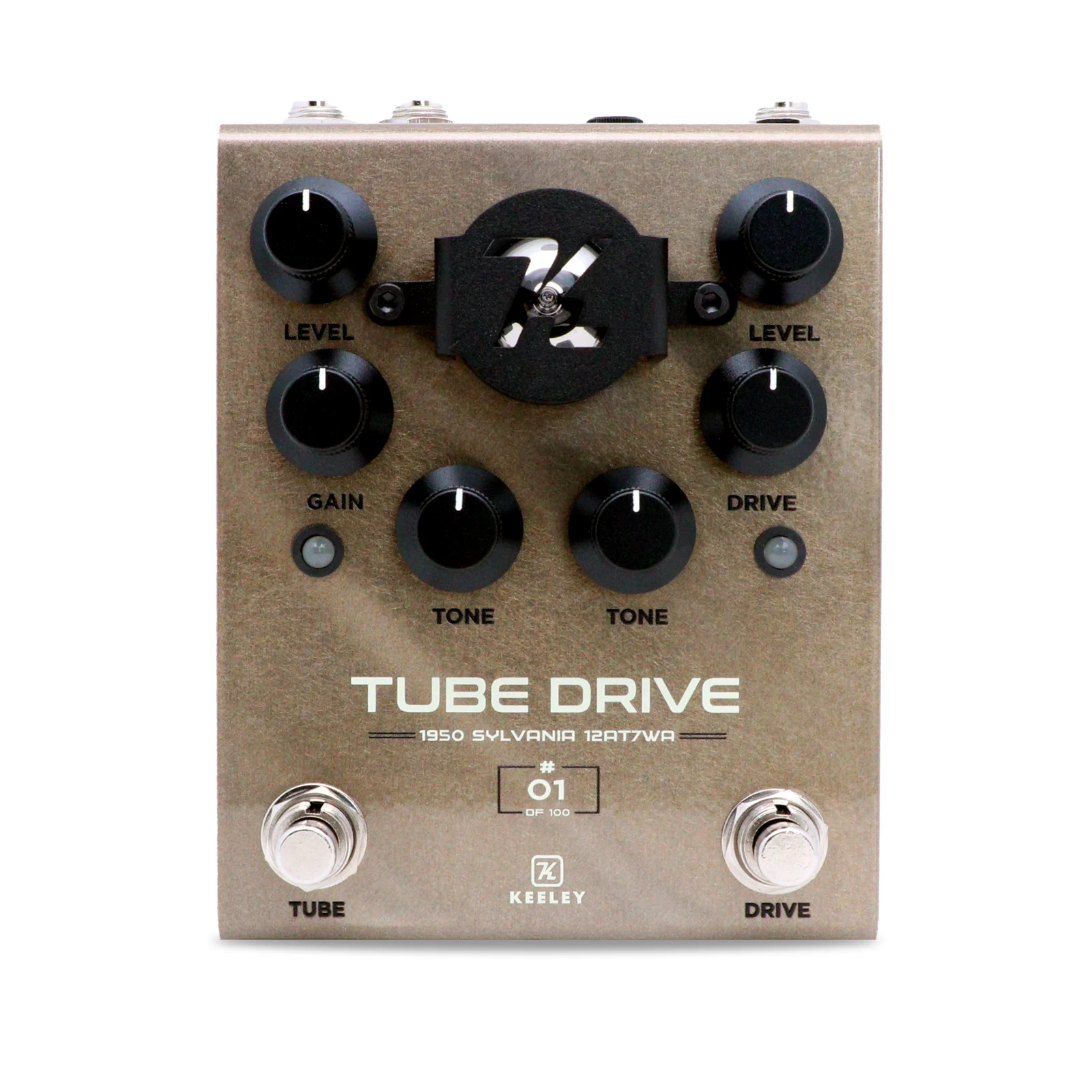
Here is the ledger, newest first. Guitar.com, Moth Electric P. Isabella Fuzz, Ram's Head edition, 9 out of 10, $189.99. Premier Guitar, Hagstrom Megin, 4.0, $949. Premier Guitar, Old Blood Noise Setback, 4.1, $259. MusicRadar, Walrus Audio Lüm Texture Engine, four and a half stars, £259. Premier Guitar, Keeley Tube Drive, 4.5, $399. MusicRadar, Harley Benton JB-62HA, four stars, £215. Guitar.com, Martin Road Series DC-13E Modern, 8 out of 10, $1,499.99. Guitar World, Eventide H9 Harmonizer Gen 2, four and a half stars. Guitar Player, Amp Crash, unscored, $395. MusicRadar, Donner Hush X Pro, four stars, £475. Premier Guitar, Walrus Audio Highpoint, 4.5, $349. Guitar World, Gretsch Electromatic CVT Baritone, four and a half stars. Guitar World, Thorn Soundlabs Flex Series, four and a half stars, $184.99.
Now the cons boxes, because that is where a review tells you what it was willing to risk. Twelve scored reviews printed twenty-one cons between them. Five of the twenty-one are about price. Keeley: Expensive. Walrus Highpoint: Might seem expensive to some. Eventide: It's a huge investment for something that only does effects. Walrus Lüm: It's certainly not cheap. Thorn: We'd like the Tremonator more if it cost less. A price is not a flaw in the product. It is a flaw in your bank balance, and a review that fills its cons box with it has found nothing wrong with the thing it was sent.
Three more cons are wishes rather than findings. Gretsch: some more finish options and a gigbag would be nice but it's not a dealbreaker. Martin: tuners are a little stiff in operation. Hagstrom, and this is my favourite of the month: lower-output humbuckers might make the guitar more versatile. That is a con that says the guitar is too much of what it is. Strike those and you are left with thirteen cons that describe something the reviewer actually heard or touched and did not like, spread across twelve reviews.
The honest ones deserve credit. MusicRadar on the Harley Benton bass printed two real ones, rough fretwork on the sample and a relic job that goes far beyond realistic play-wear and just looks a little silly, and still gave it four stars, which tells you the four stars were earned against something. Premier Guitar on the Setback printed glitchy digital artifacts at many settings, which is a sentence I would want to read before spending $259, and scored it 4.1, which is the closest anyone came to a number that carried a warning. MusicRadar on the Donner printed three physical complaints about a guitar built to be played on a sofa. Those are reviews doing the job.
But look at the shape of the month. The set includes a $189 fuzz, a $949 guitar, a $1,499 acoustic, a $215 bass and a multi-effects box that Guitar World itself calls a huge investment, and the scoring instrument could not tell them apart. Twelve products, from five companies you have heard of and four you have not, and the whole range of verdicts fits between four stars and four and a half. Either every manufacturer in the world shipped its best work in the same fortnight, or the scale has stopped measuring.
Receipts
The source stack behind this take.
Ratings stay attached to the site they came from. Quotes link back to the original page. Suede adds the read, not a fake universal score.
- Guitar.com — Moth Electric P. Isabella Fuzz (Ram's Head) ↗Open source
9/10, published 2026-09-07
- Premier Guitar — Hagstrom Megin ↗Open source
4.0, published 2026-09-06
- Premier Guitar — Old Blood Noise Setback ↗Open source
4.1, published 2026-09-05
- MusicRadar — Walrus Audio Lüm Texture Engine ↗Open source
4.5/5, published 2026-09-05
- Premier Guitar — Keeley Tube Drive ↗Open source
4.5, published 2026-09-04
- MusicRadar — Harley Benton JB-62HA ↗Open source
4/5, published 2026-09-04
- Guitar.com — Martin Road Series DC-13E Modern ↗Open source
8/10, published 2026-09-04
- Guitar World — Eventide H9 Harmonizer Gen 2 ↗Open source
4.5/5, published 2026-09-03
- Guitar Player — Death By Audio × Rainger FX Amp Crash ↗Open source
Unscored, published 2026-09-02
- MusicRadar — Donner Hush X Pro ↗Open source
4/5, published 2026-09-02
- Premier Guitar — Walrus Audio Highpoint ↗Open source
4.5, published 2026-09-01
- Guitar World — Gretsch Electromatic CVT Baritone ↗Open source
4.5/5, published 2026-08-31
- Guitar World — Thorn Soundlabs Flex Series ↗Open source
4.5/5, published 2026-08-29
I know the counter-argument because I have made it. Magazines review what is worth reviewing. A loaner that turns out to be a dud goes back in the box and never becomes a page, so the published set is pre-filtered toward gear that works. Fine. Then say so at the top of the page, and stop printing a five-point scale that only ever uses one of its points.
What I am asking for is small. Print the 3. Once a month, find the product that is merely fine and say it is merely fine, in the same typeface and with the same star widget, so that the next 4.5 means something to the reader who is about to spend $399 on the strength of it. The Setback got a 4.1 and a con about artifacts. That review is worth more than the seven 4.5s put together, because it is the only one that proves the reviewer would have gone lower.
Until then, the September ledger reads as a press release with a byline. Thirteen reviews, five mastheads, one score.
— Jason
The counter, argued by Johnny Suede
A ledger of thirteen reviews is not a sample of the press. It is a sample of September, and September is when the good gear ships.
Jason counted the scores and found them clustered. Of course they are clustered. Manufacturers hold their strongest releases for the autumn window, the review desks pick the products readers are already searching for, and the loaner that disappoints gets a news item instead of a page. The piece admits the filter in its last section and then scores the month as though the filter were a scandal. It is a policy. You can dislike the policy. You cannot call its output dishonest.
The cons boxes are doing more than the piece allows. Expensive is a finding when the reviewer has the cheaper alternative on the same bench, and both Premier Guitar cons were written by a man who reviews compressors and drives for a living and knows exactly what $349 buys elsewhere. A reader deciding between the Highpoint and a $120 optical comp needs that sentence more than a paragraph about knob feel. Calling a price con a non-finding assumes every reader has already decided to spend the money.
The demand to print a 3 is theatre. A magazine that manufactures a middling score once a month to prove its scale works would be doing exactly what this masthead accuses it of, letting the shape of the ledger decide the verdict instead of the product. The Setback got its 4.1 because the artifacts are real. If the next dozen products deserve four and a half, the honest ledger says four and a half twelve times and looks suspicious. That is what an honest ledger sometimes looks like.
Where the piece is right, it is right for a reason it did not use. The problem is not the scores. It is that none of the thirteen reviews can yet be checked against a single owner who bought the thing, because the gear is too new. Come back in ninety days with the Thomann pages and the forum threads, and this column, not the scorecard, will tell you which of the twelve fours held.
Discussion
Loading comments…