
The 6 best and the 6 worst Chase Bliss pedals.
Joel Korte's catalogue is the audiophile shelf of the pedal world. There's a version of the company that gets called Goyard for guitarists. Half the catalogue earns the price. The other half is real estate on the shelf.
Chase Bliss makes pedals the way Casio makes watches and the way Hermès makes scarves: meticulous, idiosyncratic, and priced like the work is the product. I respect Joel Korte more than almost any other builder. I also think he gets the benefit of the doubt on pedals that don't earn it.
The Chase Bliss collaborations are mostly the best of the catalogue. The standalone DSP entries are mostly the soft middle. The misses tend to be the pedals where the interface is more interesting than the result. This list is a working tour of both ends.
Column · The best
The 6 that earn their slot.
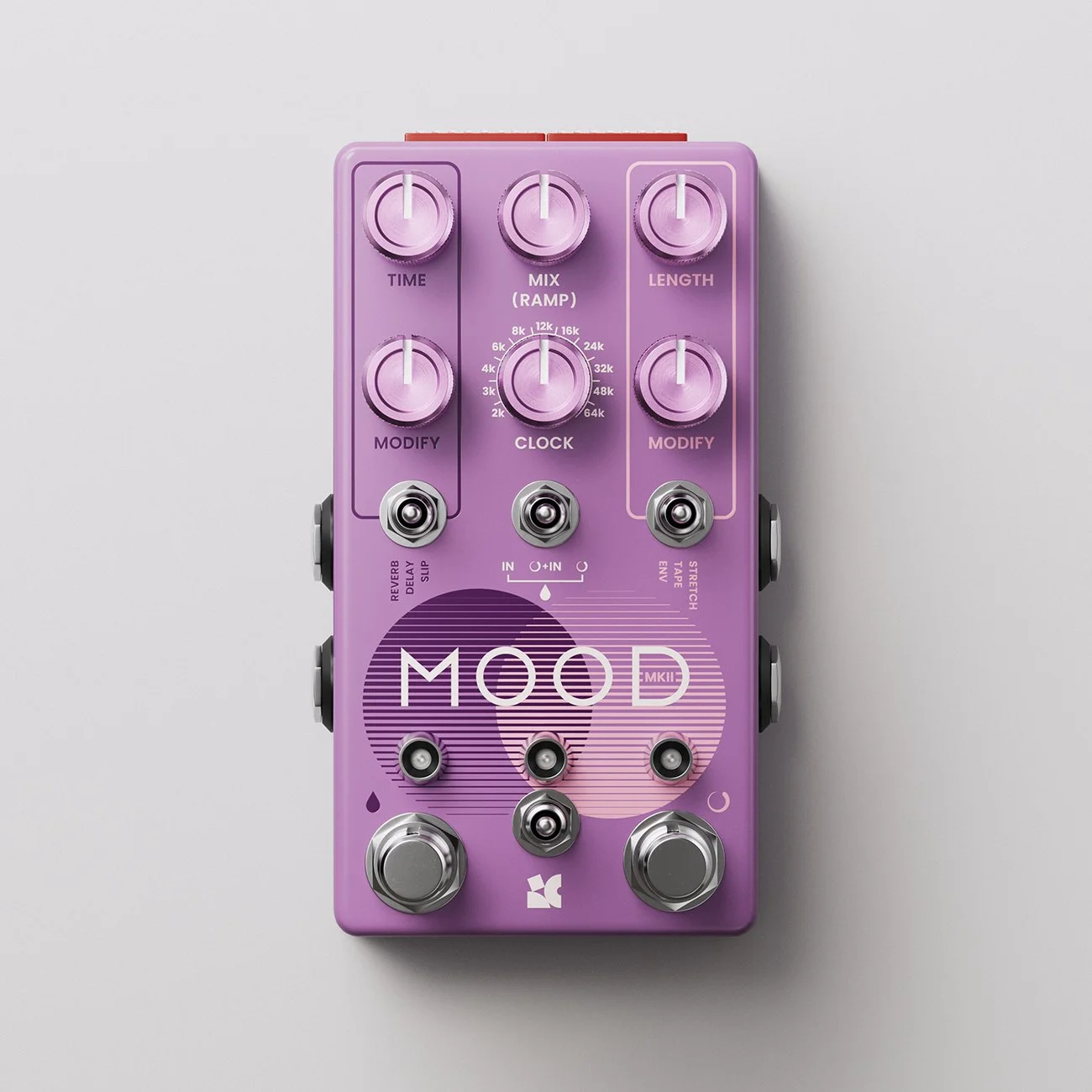
Chase Bliss Audio · Mood MKII
A pedal that thinks for you, in the right way.
Mood MKII is the closest thing to an instrument that lives on a pedalboard. The micro-looper and the reverb/delay/modulation engine cross-talk in a way that turns playing into composing. The 'slip' modes are genuinely unique — you can't get the sound out of any other box at any price. The first Chase Bliss I'd defend on its own terms.
2 rebuttals filed
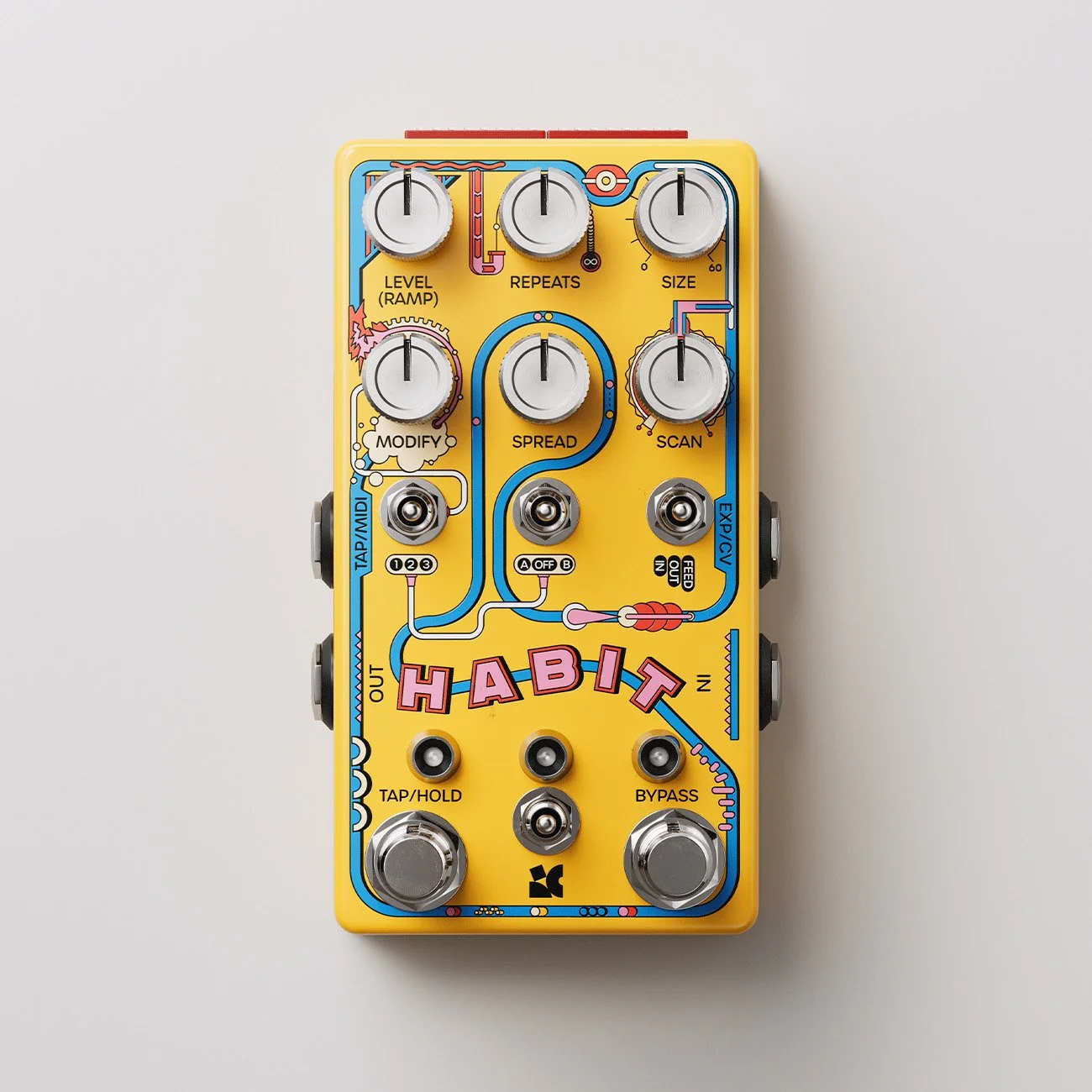
Chase Bliss Audio · Habit
Loops time itself.
Habit is a delay that records two minutes of audio in the background and lets you scrub through it with an LFO. That sentence sounds gimmicky. In practice it's the most musical sampler-as-pedal I've ever owned. The 'spool' and 'collect' modes are the kind of feature you can't think of in advance — they invent a part for you mid-song.
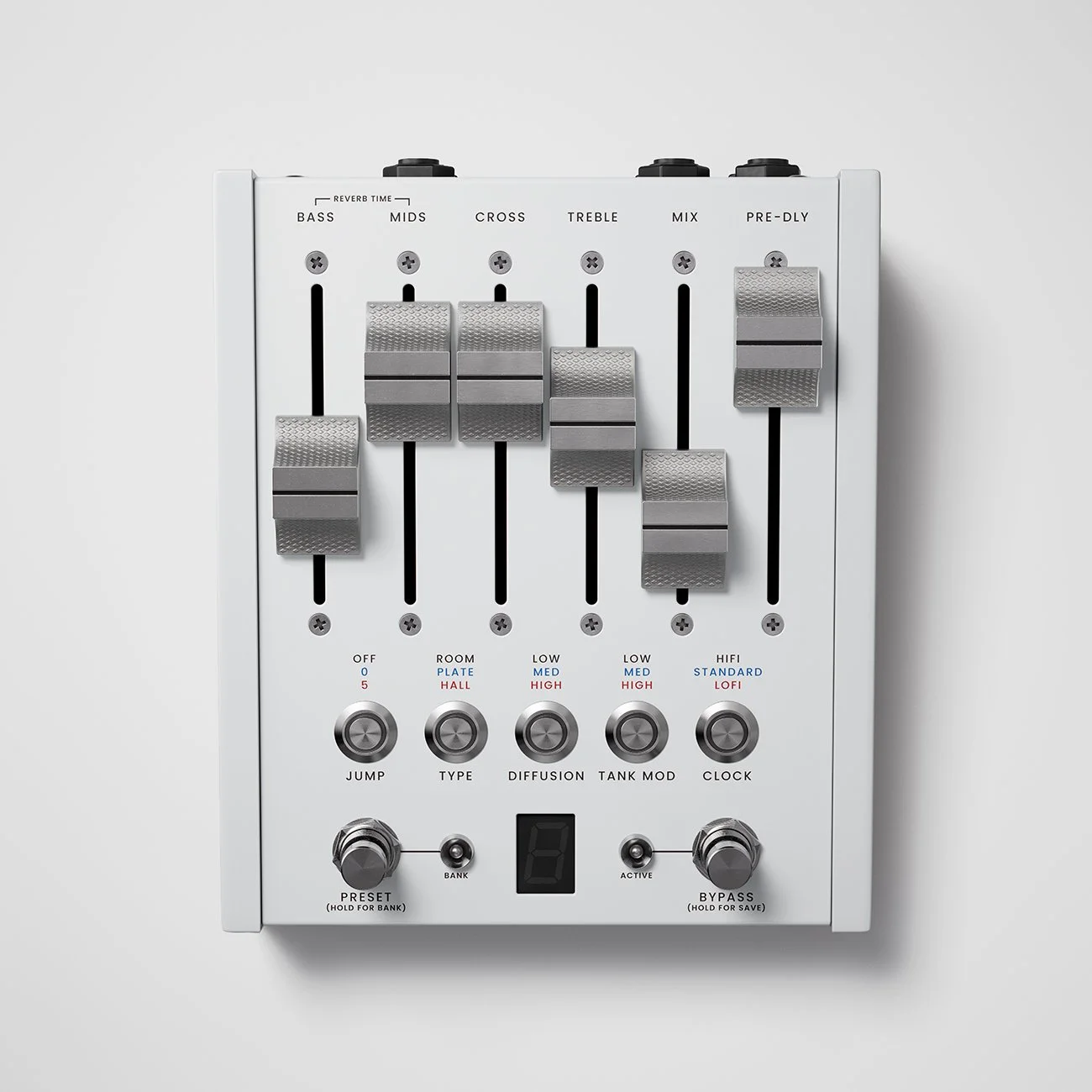
Chase Bliss Audio · CXM 1978
A reverb that sounds like a room you've never been in.
The CXM 1978 is Joel's Lexicon 224 homage. The 224 was a million-dollar-of-2025-money studio rack. The CXM puts a serious chunk of that algorithmic vocabulary on a pedalboard. The 'plate' setting alone has carried more tracks than anything else on my recent boards. Expensive. Worth it.
1 rebuttal filed
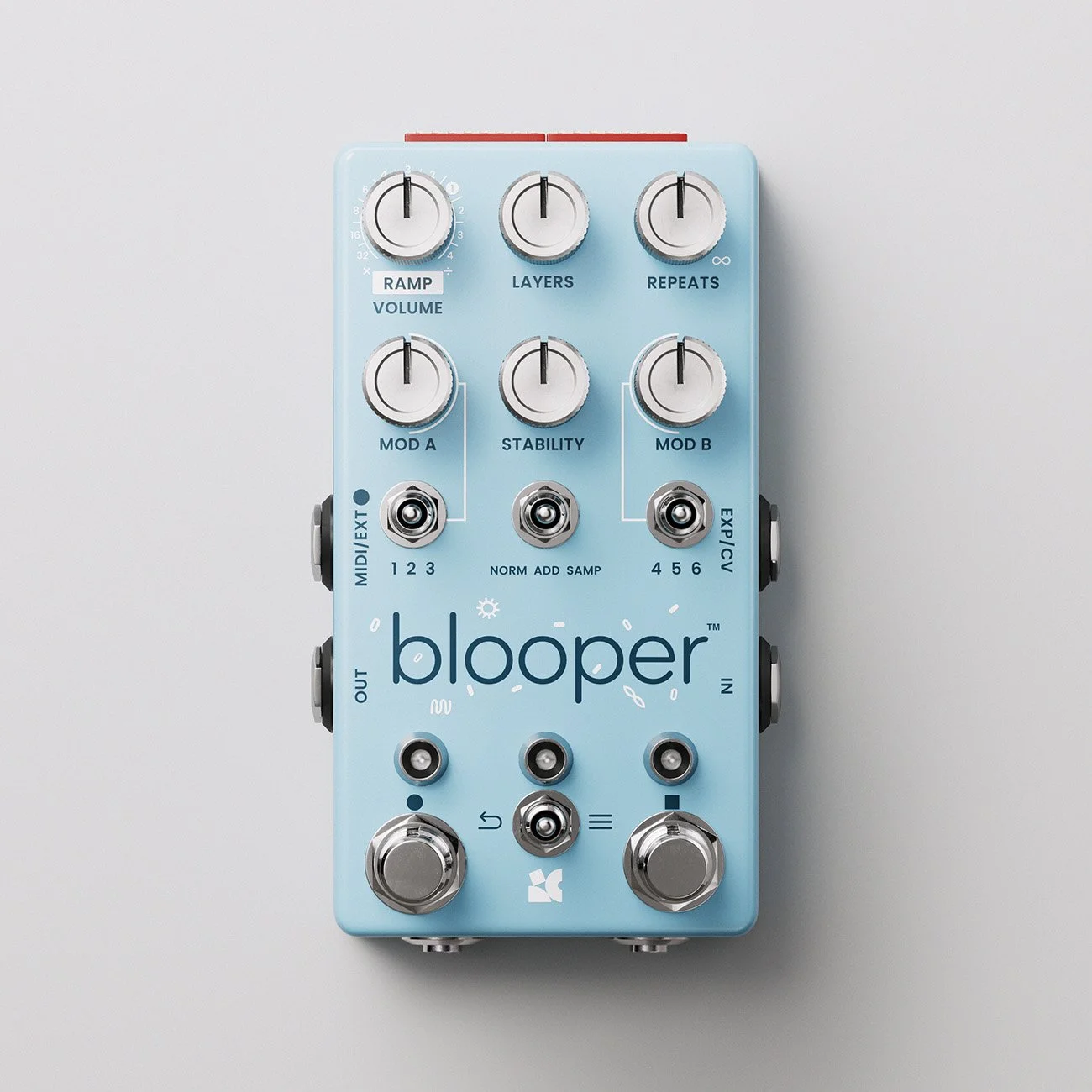
Chase Bliss Audio · Blooper
A looper for people who don't loop.
I'm not a loop player. I bought a Blooper anyway and it changed the way I write. The 'mod' and 'stab' layers let you generate variations on a phrase you didn't realise you wanted. The MIDI sync is solid. The interface is the best in the looper category by a margin.
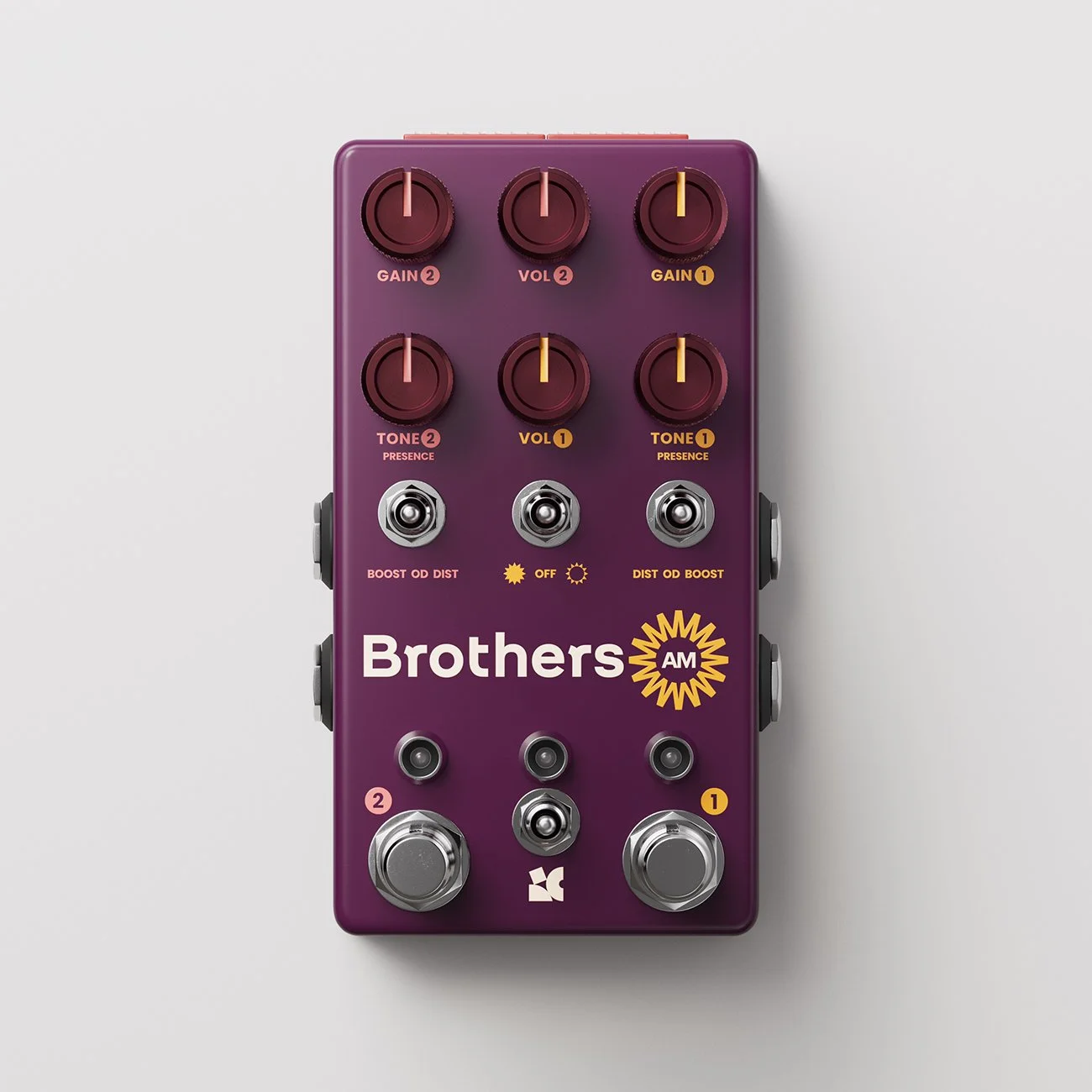
Chase Bliss Audio · Brothers
Two channels of analog character, daisy-chained in a way nobody else does.
Brothers is two independent OD/boost channels in one chassis with three internal routing modes. The cascade mode is the killer feature — a clean boost into a hot Boost, into either side of an amp, sounds like a Mythos plus a Klone plus a clean boost. The signal staging is the design, and the design is the point.
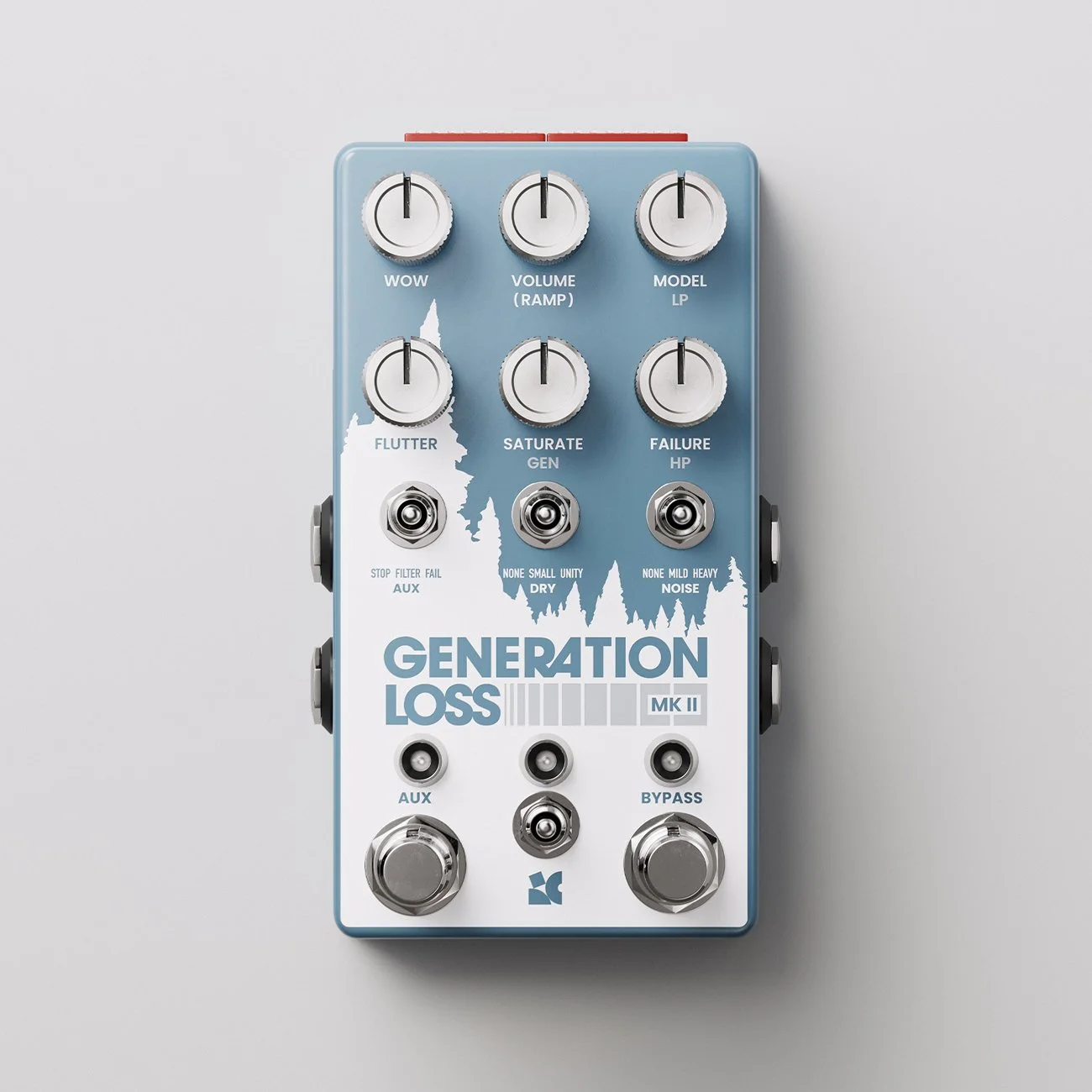
Chase Bliss Audio · Generation Loss MKII
Cooper FX absorbed and refined to a single canonical box.
The Cooper FX Generation Loss was a cult pedal. Chase Bliss bought the company, refined the circuit, and the MKII is the result — a VHS-and-cassette degradation engine that nails the unstable wobble of mediocre analog tape. The factory presets are usable out of the box. The 'tone' control is more useful than the brand-new pedals at this price level.
Column · The worst
The 6 I'd sell first.
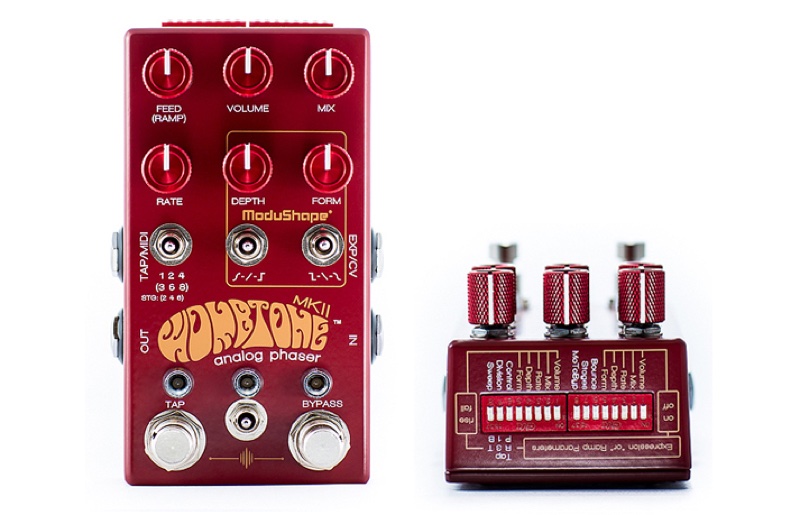
Chase Bliss Audio · Wombtone MKII
A phaser too clean for its own good.
The Wombtone is technically a beautiful pedal. It is also a phaser, and phasers are not a category where 'technically beautiful' is the winning argument. The MXR Phase 90 reissue is $130. The Wombtone is $349 and doesn't move the needle on a sound that's mostly about feel, not precision. The use case never quite shows up.
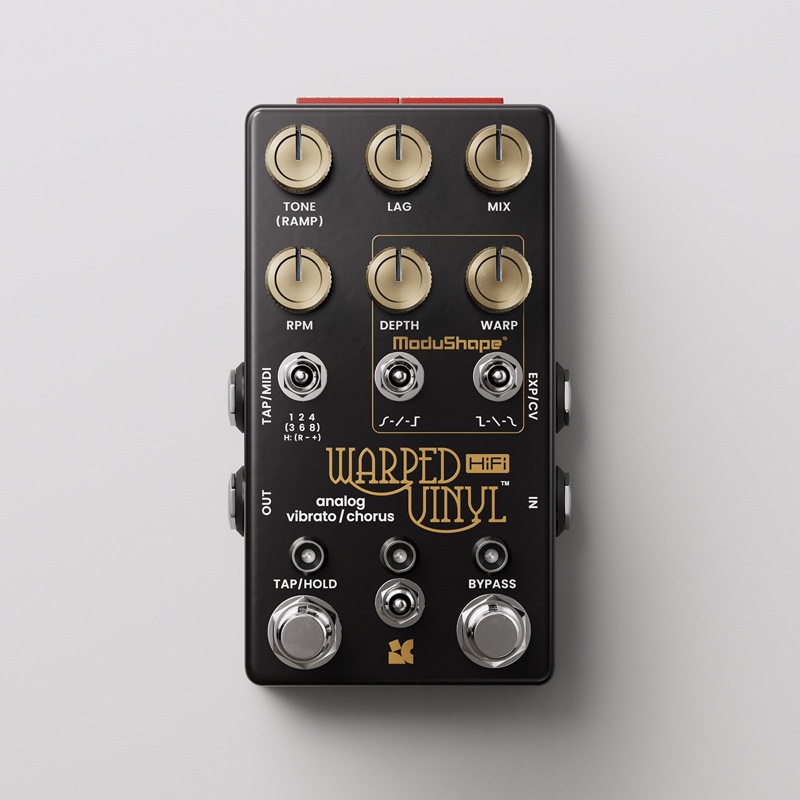
Chase Bliss Audio · Warped Vinyl HiFi
A chorus that the JHS Emperor V2 quietly beats at a third the price.
The Warped Vinyl HiFi was a hold-over from the Wombtone era — Joel's bid for the analog modulation crown. The sound is musical. The price is not. In 2025 you can spend $169 on a JHS Emperor V2 or $349 on a Warped Vinyl HiFi and arrive at the same place, only one of those answers feels like good economics.
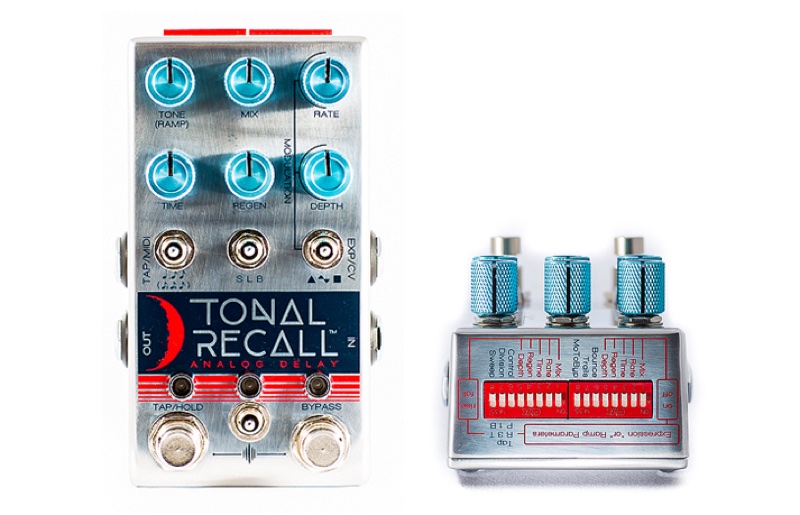
Chase Bliss Audio · Tonal Recall RKM
A delay eclipsed by Chase Bliss's own newer DSP work.
The Tonal Recall Red Knob Mod was a high-water mark for analog-style delay when it shipped. It is also seven years old, and the Habit, Mood, and Lossy releases have all done parts of what it does, better. The RKM is still good. It is no longer relevant in their lineup.
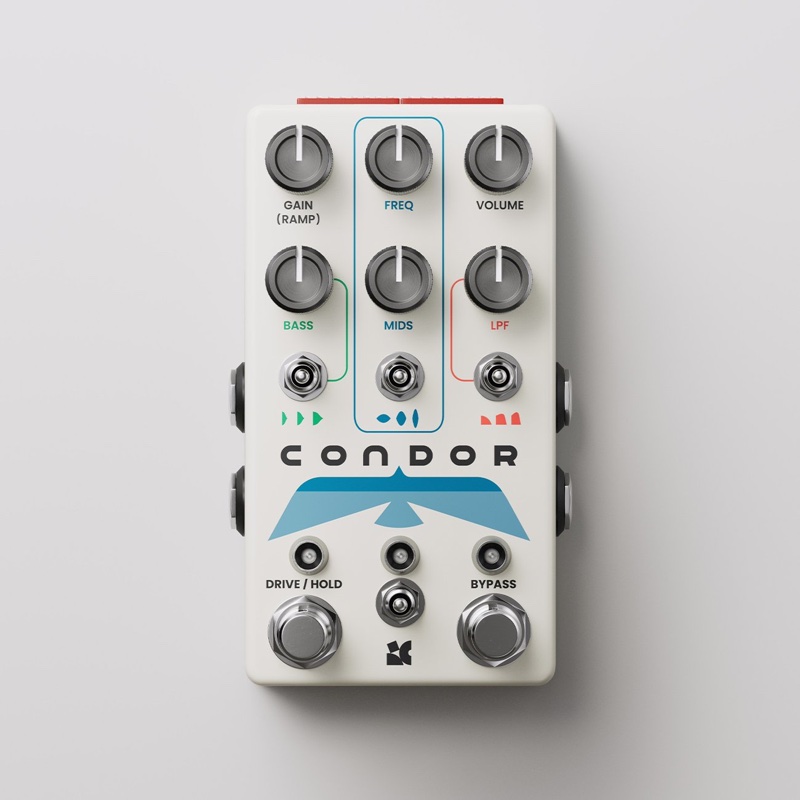
Chase Bliss Audio · Condor
A preamp-EQ-filter trio that asks too much of the user.
The Condor is a Baxandall EQ + low-pass filter + preamp gain stage, with the rest of the Chase Bliss dip-switch vocabulary. The result is a tool, not a sound. There's a version of this pedal that's an album-defining utility piece — and there's the version where it ships, where most owners use it as a treble bleed. The marketing got ahead of the actual use case.
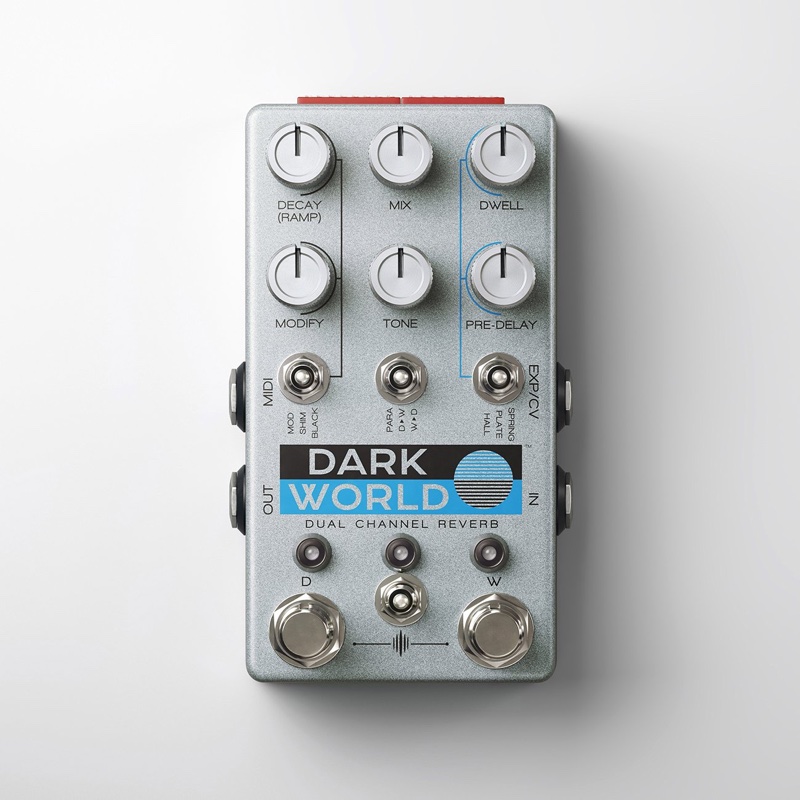
Chase Bliss Audio · Dark World
A reverb collaboration that aged less well than its peers.
The Dark World was a Chase Bliss + Cooper FX collab — half Tonal Recall, half Cooper FX outboard reverb. The dark side has aged into a 'fine' category in the post-CXM 1978 era. There's no shame in being eclipsed by your own newer pedal; there is shame in still costing $399 once you have.
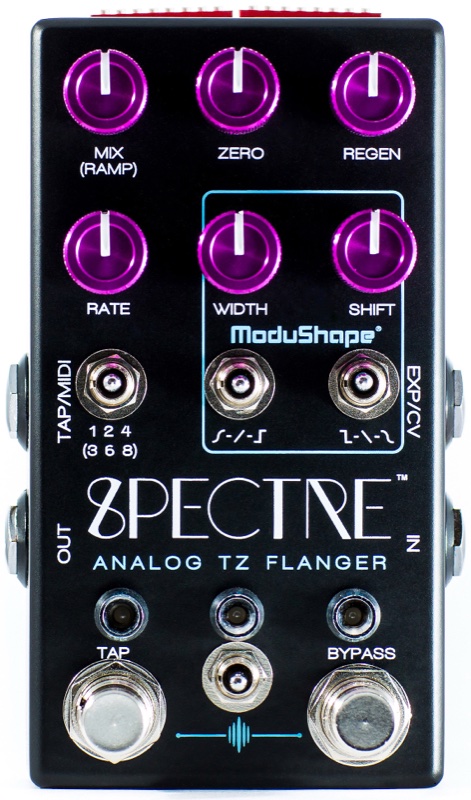
Chase Bliss Audio · Spectre
A flanger out of place in this catalogue.
The Spectre is the last pedal Joel made in the older analog-DSP idiom. It is a fine flanger. The category — flangers — is one where the EHX Electric Mistress is canonical for under $200, and the Spectre has to compete on character it doesn't quite have. The pedal that should not have been the brand's flagship flanger.
Joel makes great pedals when his ideas are bigger than his constraints, and good pedals when they aren't. Buy the Mood, the Habit, and the CXM 1978 first. Wait for everything else to go on the second-hand market. — Johnny
Discussion
Loading comments…